
 Vietnam


Bingo Go88 and the structure of a complete card
Meta description: Bingo Go88 combines numbered cards, called numbers and completion patterns in each round. Explore the card structure, marking process and result confirmation.
Bingo Go88 and the structure of a complete card
Bingo Go 88 revolves around a numbered card and a sequence of numbers revealed during each round. When a called number matches a position on the card, that position can be marked, gradually creating different patterns across the grid. The round reaches its result stage when the required pattern has been completed and the system confirms the corresponding outcome.
The bingo card provides the main reference
A standard 75-ball bingo card uses a 5×5 grid with the letters B, I, N, G and O across the top. Each column is associated with a different number range, while the center position of the N column is commonly treated as a free space.
This structure gives every position on the card a defined location. Instead of scanning all numbers randomly, the player can first identify the relevant letter column and then look for the corresponding number within that section.
The card therefore functions as the central reference throughout a Bingo Go88 round, while the called numbers gradually determine which positions become marked.
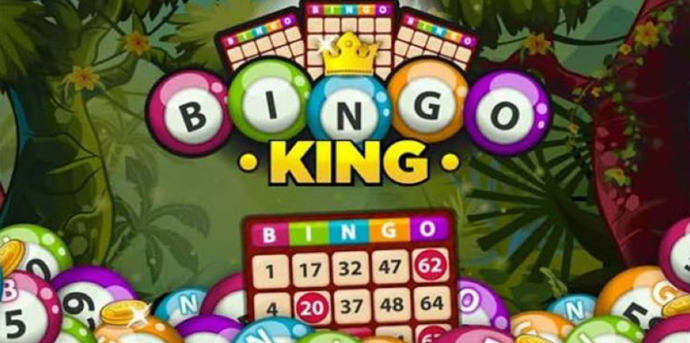
B I N G O divides the card into five areas
The five letters are more than decorative labels because they organize the number ranges on a standard 75-ball card. The B column covers 1–15, I covers 16–30, N covers 31–45, G covers 46–60 and O covers 61–75.
This division makes individual calls easier to locate. When a number is announced together with its letter, the corresponding column immediately narrows the area that needs to be checked.
The result is a grid that can be read both horizontally and vertically, while the letter headers provide an additional reference for identifying individual numbers.
See more: Go88 brings an exciting online entertainment experience
The center space has a special position
In the common 75-ball format, the center square belongs to the N column and is usually marked as a free space from the beginning. This means it can already count as covered when a required pattern passes through the center.
Its position gives the middle of the card a different role from the numbered squares around it. When reading a potential pattern, the center should therefore be recognized as a separate element rather than treated as an ordinary number.
The exact treatment of a free space can vary between formats, so the rules displayed for the particular game remain the relevant reference.

Called numbers gradually change the card
A Bingo round progresses as numbers are revealed one at a time. When a called number exists on the card, its corresponding square can be marked, while numbers that do not appear on that card have no effect on its grid.
This creates a gradual transition from an untouched card to a partially marked card and eventually to a completed pattern. The current state of the grid therefore depends on the numbers that have already been called during the active round.
In a digital interface, the marking process can be represented through highlighted cells, symbols or other visual changes that distinguish called positions from numbers that remain inactive.
Winning patterns determine when the card is complete
Bingo does not necessarily require the entire card to be filled. The required completion pattern is defined by the particular round and can include a horizontal, vertical or diagonal line, four corners, a more complex shape or a full-card pattern.
This means a card can contain many unmarked numbers when the required pattern has already been completed. Conversely, having several marked positions does not necessarily mean that the target condition has been reached.
The pattern is therefore the key reference for determining when the card moves from an active state to a potential completed result.
Horizontal, vertical and diagonal lines create different shapes
A straight-line pattern can be formed horizontally across a row, vertically down a column or diagonally across the grid. These patterns use the spatial arrangement of marked positions rather than the numerical size of the numbers themselves.
A horizontal line connects positions across the same row, while a vertical line follows one column. A diagonal pattern crosses the grid from one corner toward the opposite side and can pass through the free center space when that space is applicable.
The important point is that Bingo evaluates the relationship between marked cells, not simply the number of marks accumulated on the card.

Four corners and full card patterns change the target
Some Bingo formats use four corners as the required pattern, meaning the four corner positions of the grid must be marked. Other formats can require the entire card to be covered, commonly described as a blackout or full-card pattern.
These patterns create very different visual targets even though they use the same underlying card. Four corners focuses on specific positions around the outside, while a full-card condition requires substantially more of the grid to be marked.
Because the target can vary, the displayed pattern or round rule should be checked before interpreting how close a card is to completion.
The called-number display connects the round together
A digital Bingo interface can display recently called numbers and a broader record of numbers that have appeared during the current round. This gives the player another way to compare the active card with the sequence of calls.
The called-number area is especially useful when several numbers have already been revealed. Instead of relying only on memory, the player can compare the recorded calls with the positions visible on the card.
This creates two connected information areas: the card shows where matching numbers are located, while the call display records which numbers have already entered the round.
A completed pattern moves the round toward confirmation
When the required pattern has been formed, the game can enter a result-confirmation stage. In traditional Bingo, a completed pattern is called out and then checked before the result is officially confirmed.
In a digital environment, the system can handle this confirmation through the interface itself. The important distinction is between a card that appears close to completion and a card that actually satisfies the active pattern.
Conclusion
Bingo Go88 can be understood through three connected elements: the numbered card, the sequence of called numbers and the pattern required for completion. By reading the B I N G O columns, identifying marked positions, tracking called numbers and checking the active pattern, the progression from an empty card to a confirmed result becomes much easier to follow.
Bingo Go88 and the structure of a complete card
Bingo Go 88 revolves around a numbered card and a sequence of numbers revealed during each round. When a called number matches a position on the card, that position can be marked, gradually creating different patterns across the grid. The round reaches its result stage when the required pattern has been completed and the system confirms the corresponding outcome.
The bingo card provides the main reference
A standard 75-ball bingo card uses a 5×5 grid with the letters B, I, N, G and O across the top. Each column is associated with a different number range, while the center position of the N column is commonly treated as a free space.
This structure gives every position on the card a defined location. Instead of scanning all numbers randomly, the player can first identify the relevant letter column and then look for the corresponding number within that section.
The card therefore functions as the central reference throughout a Bingo Go88 round, while the called numbers gradually determine which positions become marked.
B I N G O divides the card into five areas
The five letters are more than decorative labels because they organize the number ranges on a standard 75-ball card. The B column covers 1–15, I covers 16–30, N covers 31–45, G covers 46–60 and O covers 61–75.
This division makes individual calls easier to locate. When a number is announced together with its letter, the corresponding column immediately narrows the area that needs to be checked.
The result is a grid that can be read both horizontally and vertically, while the letter headers provide an additional reference for identifying individual numbers.
See more: Go88 brings an exciting online entertainment experience
The center space has a special position
In the common 75-ball format, the center square belongs to the N column and is usually marked as a free space from the beginning. This means it can already count as covered when a required pattern passes through the center.
Its position gives the middle of the card a different role from the numbered squares around it. When reading a potential pattern, the center should therefore be recognized as a separate element rather than treated as an ordinary number.
The exact treatment of a free space can vary between formats, so the rules displayed for the particular game remain the relevant reference.
Called numbers gradually change the card
A Bingo round progresses as numbers are revealed one at a time. When a called number exists on the card, its corresponding square can be marked, while numbers that do not appear on that card have no effect on its grid.
This creates a gradual transition from an untouched card to a partially marked card and eventually to a completed pattern. The current state of the grid therefore depends on the numbers that have already been called during the active round.
In a digital interface, the marking process can be represented through highlighted cells, symbols or other visual changes that distinguish called positions from numbers that remain inactive.
Winning patterns determine when the card is complete
Bingo does not necessarily require the entire card to be filled. The required completion pattern is defined by the particular round and can include a horizontal, vertical or diagonal line, four corners, a more complex shape or a full-card pattern.
This means a card can contain many unmarked numbers when the required pattern has already been completed. Conversely, having several marked positions does not necessarily mean that the target condition has been reached.
The pattern is therefore the key reference for determining when the card moves from an active state to a potential completed result.
Horizontal, vertical and diagonal lines create different shapes
A straight-line pattern can be formed horizontally across a row, vertically down a column or diagonally across the grid. These patterns use the spatial arrangement of marked positions rather than the numerical size of the numbers themselves.
A horizontal line connects positions across the same row, while a vertical line follows one column. A diagonal pattern crosses the grid from one corner toward the opposite side and can pass through the free center space when that space is applicable.
The important point is that Bingo evaluates the relationship between marked cells, not simply the number of marks accumulated on the card.
Four corners and full card patterns change the target
Some Bingo formats use four corners as the required pattern, meaning the four corner positions of the grid must be marked. Other formats can require the entire card to be covered, commonly described as a blackout or full-card pattern.
These patterns create very different visual targets even though they use the same underlying card. Four corners focuses on specific positions around the outside, while a full-card condition requires substantially more of the grid to be marked.
Because the target can vary, the displayed pattern or round rule should be checked before interpreting how close a card is to completion.
The called-number display connects the round together
A digital Bingo interface can display recently called numbers and a broader record of numbers that have appeared during the current round. This gives the player another way to compare the active card with the sequence of calls.
The called-number area is especially useful when several numbers have already been revealed. Instead of relying only on memory, the player can compare the recorded calls with the positions visible on the card.
This creates two connected information areas: the card shows where matching numbers are located, while the call display records which numbers have already entered the round.
A completed pattern moves the round toward confirmation
When the required pattern has been formed, the game can enter a result-confirmation stage. In traditional Bingo, a completed pattern is called out and then checked before the result is officially confirmed.
In a digital environment, the system can handle this confirmation through the interface itself. The important distinction is between a card that appears close to completion and a card that actually satisfies the active pattern.
Conclusion
Bingo Go88 can be understood through three connected elements: the numbered card, the sequence of called numbers and the pattern required for completion. By reading the B I N G O columns, identifying marked positions, tracking called numbers and checking the active pattern, the progression from an empty card to a confirmed result becomes much easier to follow.
The Most Popular
-
 FC Barcelona vs. Real Madrid: Match Prediction---2026/10/26
-
 Manchester United vs. AFC Bournemouth: Match Prediction---2026/10/25
-
 Inter Milan vs. Fiorentina: Match Prediction---2026/10/25
-
 SC Freiburg vs. Bayern Munich: Match Prediction---2026/10/26
-
 Injury-Hit Gladbach Stun Stuttgart to Claim Heroic First Bundesliga Win
-
 Mail: Mourinho Doesn't Trust Alexander-Arnold's Defending; Won't Entrust Him with Big Games at Real Madrid
